
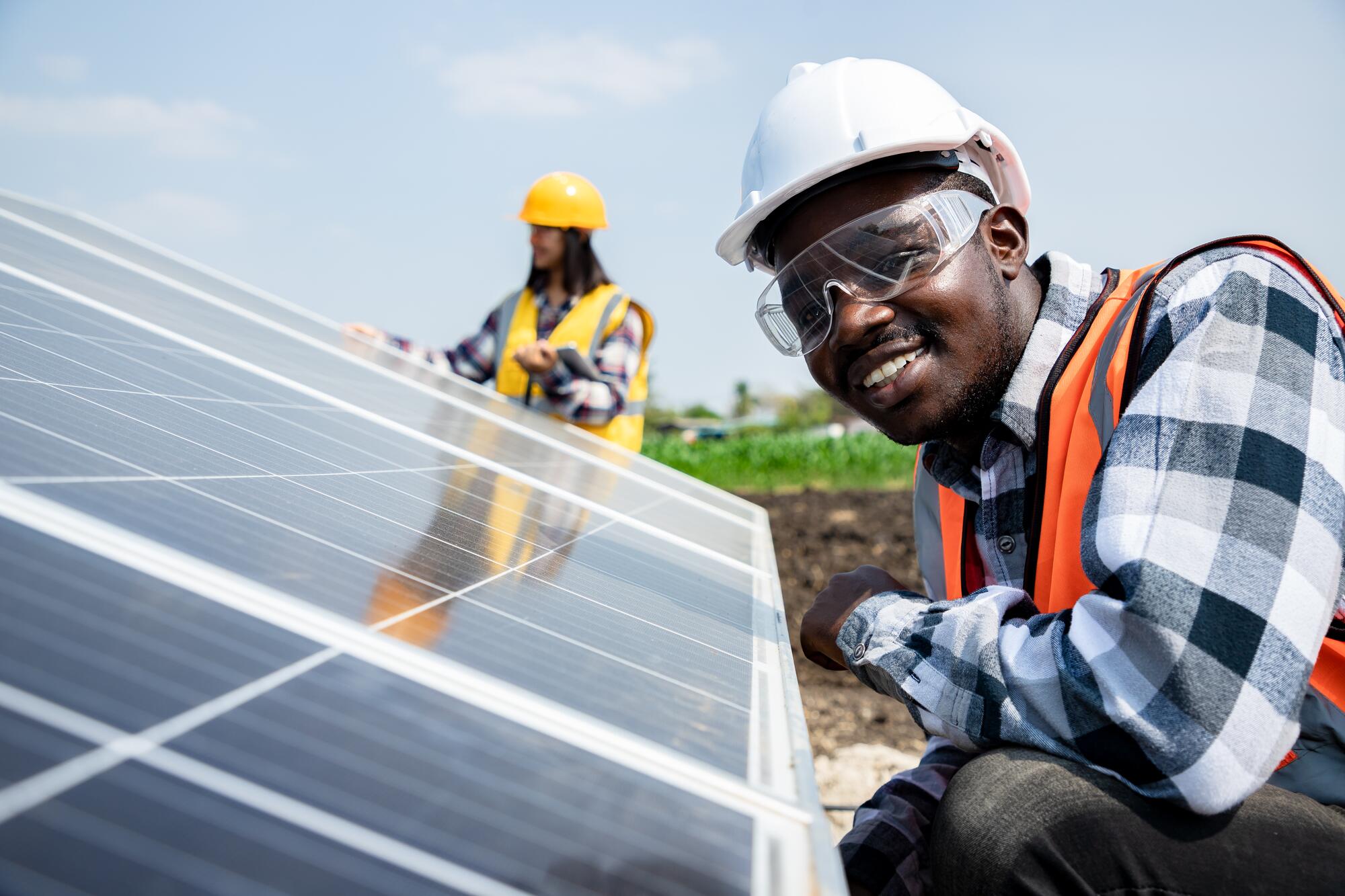
Zimbabwe is at a pivotal moment in its energy journey. With frequent power shortages, an aging grid infrastructure, and increasing energy demand from both urban and rural sectors, the country faces a critical need for sustainable energy solutions. Solar power has emerged as a practical, cost-effective, and environmentally friendly alternative — not just for households, but for industries and institutions across the nation.
The Current Energy Landscape in Zimbabwe
For years, Zimbabwe has relied heavily on hydroelectric power from Kariba Dam and thermal power stations in Hwange. However, these traditional sources face serious challenges:
- Dwindling water levels at Kariba due to recurring droughts caused by climate change.
- Aging thermal plants that operate below capacity due to maintenance issues.
- Load-shedding affecting productivity in manufacturing, agriculture, and education.
According to the Zimbabwe Energy Regulatory Authority (ZERA), national demand stands at over 1,800MW, yet generation often falls short by more than 500MW. This persistent deficit creates opportunities for renewable energy solutions — especially solar.
Why Solar Power Is the Game-Changer
Zimbabwe’s geographic position offers an average of 300+ days of sunshine per year, making solar energy not just viable but optimal. Here’s why solar power is leading the transition:
Solar energy is renewable and freely available throughout the year — a perfect match for Zimbabwe’s climate conditions.
Households and industries adopting off-grid or hybrid systems can maintain productivity even during load-shedding.
The price of solar panels and inverters has dropped significantly in the last five years, making solar systems more affordable for both domestic and commercial users.
Projects supported by UNDP, SIDA, and the Ministry of Energy are promoting solar access in rural communities, particularly in health centers, schools, and irrigation schemes.
Manufacturing plants and mines are increasingly turning to solar to ensure uninterrupted operations, saving costs and protecting equipment from power fluctuations.
Solar Power and National Development Goals
Solar energy aligns with Zimbabwe’s Vision 2030 and National Renewable Energy Policy (2019), which aims to achieve 1,100MW of renewable capacity by 2025. This shift supports:
- Job creation in solar installation, maintenance, and manufacturing sectors.
- Rural electrification, enabling digital education and healthcare services.
- Reduction in carbon emissions, contributing to global climate commitments.
Tadphic Projects’ Role in Powering the Transition
At Tadphic Projects (Pvt) Ltd, we are committed to driving this transformation through:
- Professional solar system design, installation, and maintenance.
- Integration of hybrid systems that combine solar with grid and generator power.
- Implementing smart energy monitoring for efficiency and performance optimization.
Our team has successfully implemented projects in partnership with organizations like UNDP in Binga, bringing reliable power to rural homes and improving quality of life.
The Future Is Bright — and Solar
With Zimbabwe’s vast solar potential, the path toward a cleaner and more resilient energy future is clear. The integration of solar systems across households, institutions, and industries is not just a trend — it’s a national necessity.
As solar technology continues to advance, costs fall, and government policy becomes more supportive, solar energy will define the future of power generation in Zimbabwe — bright, sustainable, and independent.